 MAR 05, 2026
The Principle of Mutuality is one of the most important legal and financial concepts governing co-operative societies in India. Whether it is a residential housing society or a commercial complex, understanding this principle is essential for proper financial management, taxation compliance, and transparent administration. With the increasing adoption of Residential and Commercial Management Software, societies can now manage mutual transactions efficiently while maintaining accurate digital records.
What is the Principle of Mutuality?
The Principle of Mutuality is based on the simple concept that a person cannot make a profit from himself. In co-operative societies, members contribute funds for common benefits such as maintenance, security, repairs, and other shared services. Since the contributors and beneficiaries are the same group of people, any surplus generated from these contributions is not treated as taxable income under normal circumstances.
This principle ensures that housing societies and commercial associations operate for mutual benefit rather than profit-making purposes. Proper accounting and documentation are necessary to clearly distinguish mutual income from taxable income.
Legal Recognition of Mutuality in India
In India, the Principle of Mutuality has been recognized through various judicial decisions and is applicable under the Income Tax Act. Courts have consistently held that income earned from members for common services is exempt from taxation, provided three key conditions are satisfied: identity between contributors and participants, surplus used for mutual benefit, and no profit motive.
However, if a society earns income from non-members, such as renting space to outsiders or earning advertisement revenue, that income may become taxable. This makes accurate financial segregation extremely important for compliance.
Residential and commercial management software helps maintain separate ledgers for member contributions and non-member income, ensuring proper tax compliance and transparency.
Application in Residential Housing Societies
In residential co-operative housing societies, members pay maintenance charges, sinking funds, repair funds, and other contributions. These funds are used for common services like lift maintenance, security staff salaries, water supply, electricity for common areas, and building repairs.
Under the Principle of Mutuality, surplus funds remaining after expenses are not treated as profit but are carried forward for future society use. However, interest earned from bank deposits or income from mobile tower installations may be taxable.
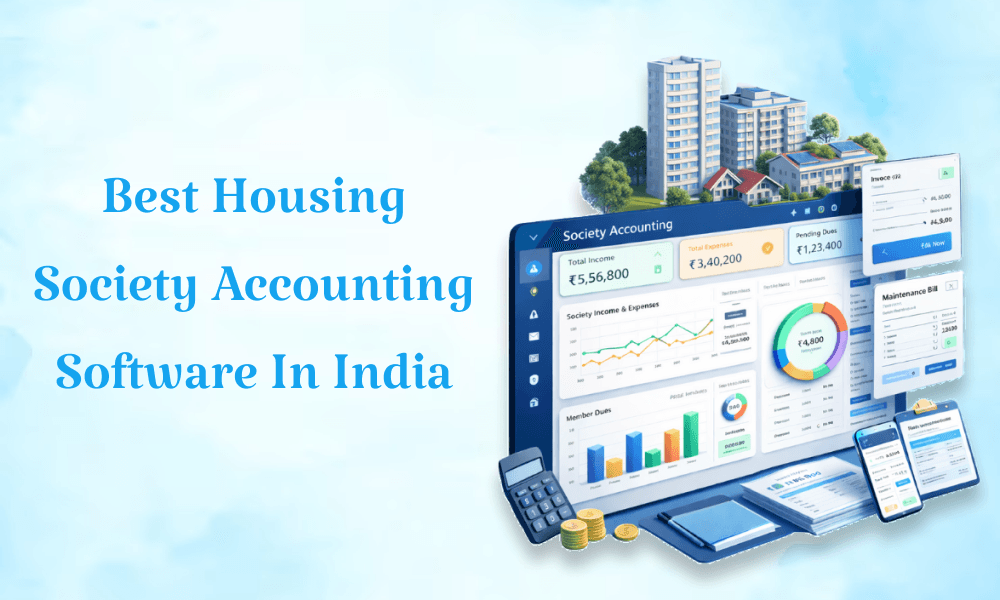
By using society management software, housing associations can automate maintenance billing, track expenses, generate audit reports, and maintain clear records for tax filing and annual general meetings.
Application in Commercial Co-operative Societies
Commercial complexes, business centers, and industrial co-operative societies also operate under the Principle of Mutuality when collecting maintenance charges from unit owners. Funds are used for security, cleaning, building management, and shared infrastructure maintenance.
However, commercial societies often have additional income sources such as rental income from common spaces, parking charges from outsiders, or advertising displays. These incomes may not qualify under mutuality and could attract taxation.
Commercial management software helps track rent collections, tenant management, expense reports, and taxable versus non-taxable income segregation, reducing compliance risks.
Importance of Proper Accounting and Compliance
Maintaining transparency is critical for claiming the benefit of mutuality. Societies must:
- Maintain accurate financial records
- Separate member and non-member income
- Conduct regular audits
- Follow society bye-laws
- Comply with Income Tax regulations
Manual record-keeping increases the risk of errors and misclassification. Cloud-based residential and commercial management software ensures systematic bookkeeping, automated reporting, digital document storage, and simplified compliance management.
How Management Software Supports the Principle of Mutuality
Modern society management applications simplify the implementation of the Principle of Mutuality by automating maintenance billing, tracking member contributions, managing expense entries, and generating financial statements. The software ensures that contributors and beneficiaries remain properly documented, strengthening legal compliance.
For housing societies and commercial associations in India, digital management systems not only reduce paperwork but also enhance transparency, accountability, and financial discipline.
Frequently Asked Questions (FAQ)
Q1. What is the Principle of Mutuality in a co-operative society?
The Principle of Mutuality means that members contributing to a common fund and benefiting from it cannot make profits from themselves. Therefore, surplus funds are generally not taxable.
Q2. Is maintenance income taxable for housing societies?
Maintenance charges collected from members are usually exempt under the Principle of Mutuality. However, income from non-members may be taxable.
Q3. Does mutuality apply to commercial co-operative societies?
Yes, commercial co-operative societies can claim mutuality benefits on member contributions, but income from external sources may be taxed.
Q4. What breaks the Principle of Mutuality?
If there is no identity between contributors and beneficiaries, or if the society earns profit from non-members, the principle may not apply.
Q5. How can society management software help in tax compliance?
Society management software helps maintain separate income records, automate accounting, generate audit reports, and ensure proper financial documentation for tax purposes.
Conclusion
The Principle of Mutuality in Co-operative Society in India plays a vital role in financial and tax management for residential and commercial properties. It ensures that societies function for mutual benefit rather than profit generation. However, strict compliance, accurate accounting, and clear income classification are essential to avoid legal complications.
By adopting advanced Residential and Commercial Management Software, societies can efficiently manage maintenance collections, expenses, taxation compliance, and member records while upholding the Principle of Mutuality.